Autism Awareness in Dar es Salaam: Why Understanding Matters — and How Sport Is Helping

Every child has a unique way of experiencing the world. For children on the autism spectrum, that experience can be profoundly different — richer in some ways, more challenging in others, and almost always misunderstood by the people around them. In Dar es Salaam, autism remains widely unknown, deeply stigmatized, and poorly supported. Cheza Foundation is working to change that — through education, community engagement, and the extraordinary power of inclusive sport.

What Is Autism — and Why Is Awareness So Important in Tanzania?

Autism spectrum disorder (ASD) is a neurodevelopmental condition that affects how a person communicates, processes sensory information, and interacts with the world around them. It is called a “spectrum” because it manifests in an enormous range of ways. The CDC estimates that approximately 1 in 36 children is on the autism spectrum globally. Reliable prevalence data for Tanzania is limited — but there is no evidence that autism is less common here than anywhere else in the world. Only that it is less diagnosed, less understood, and less supported.
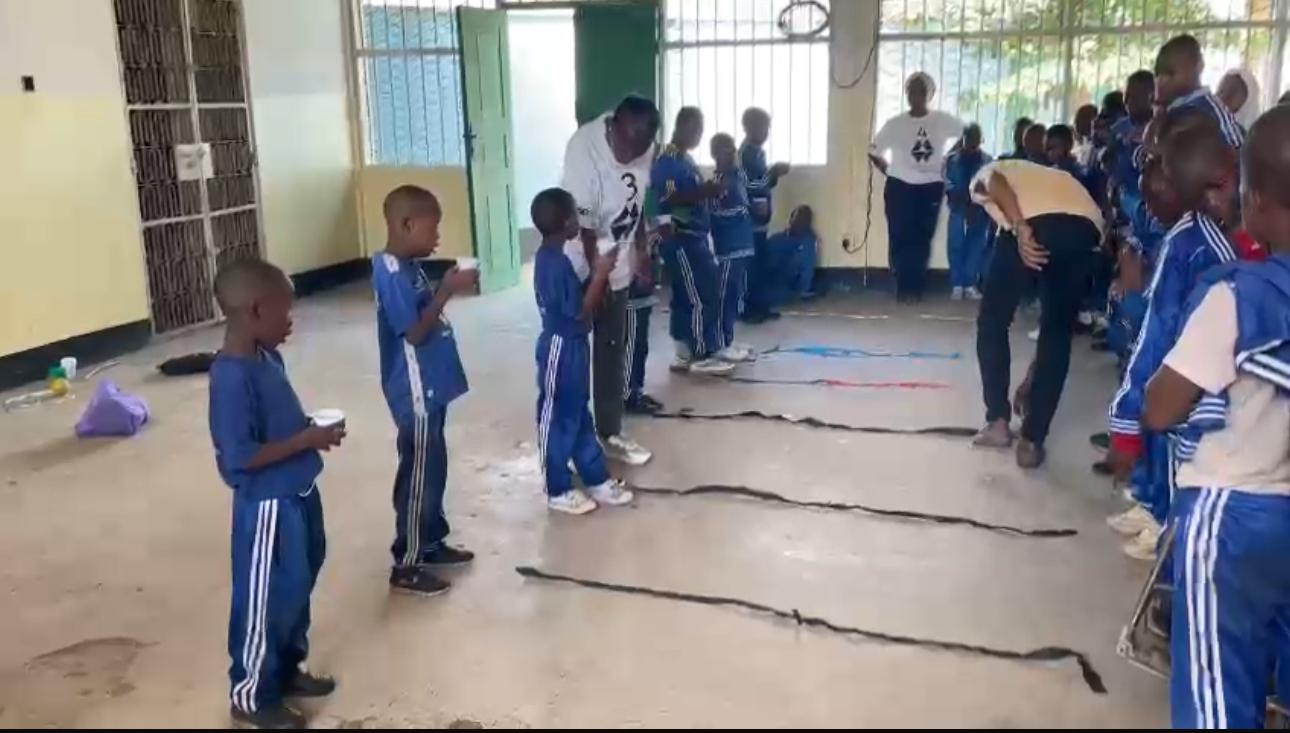
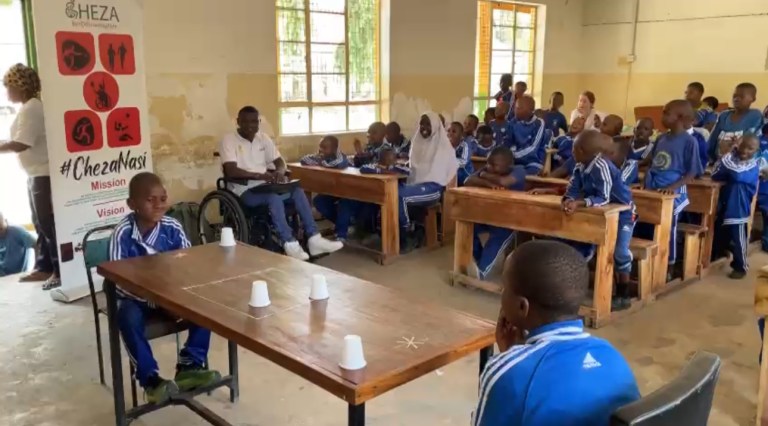
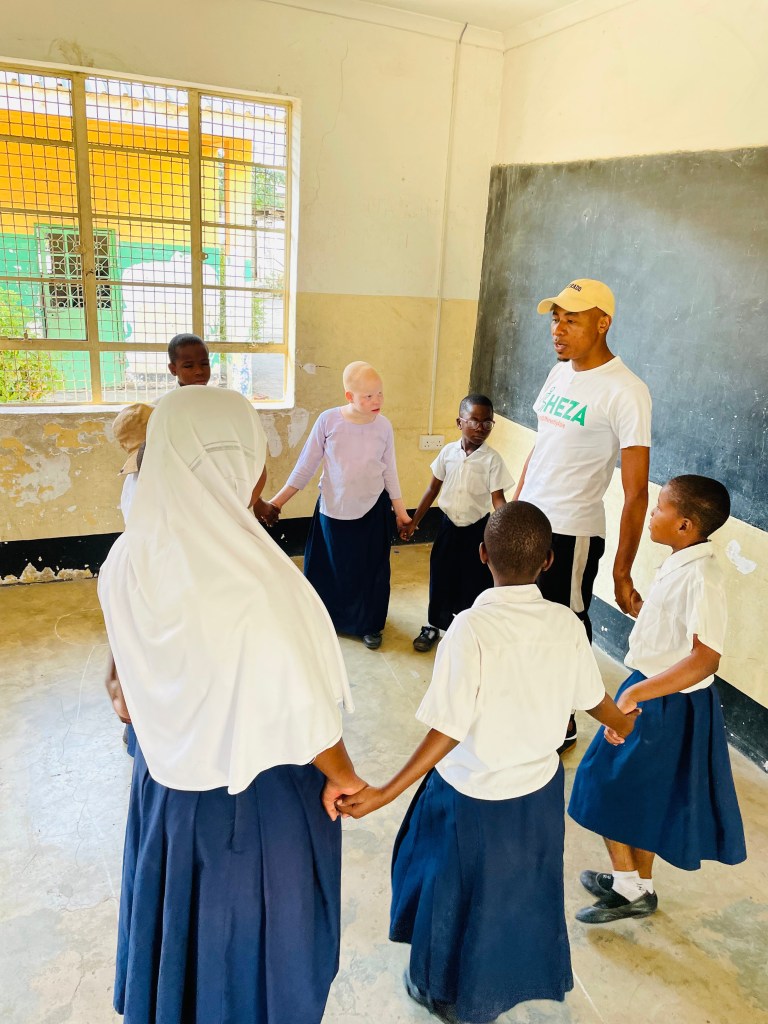
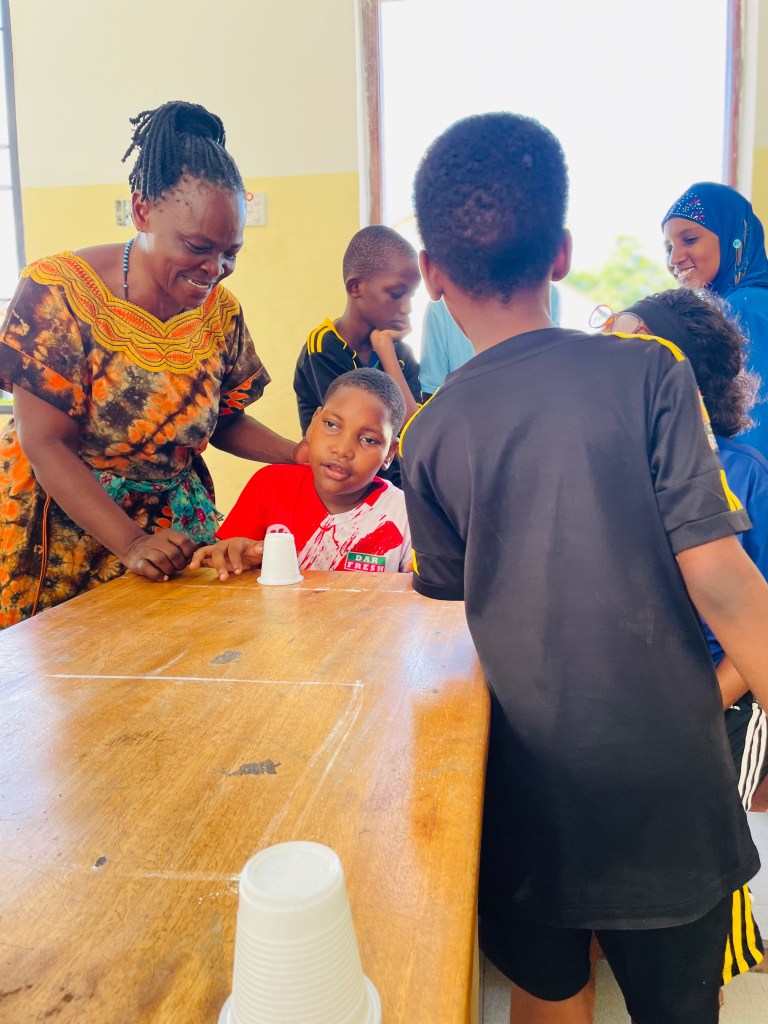
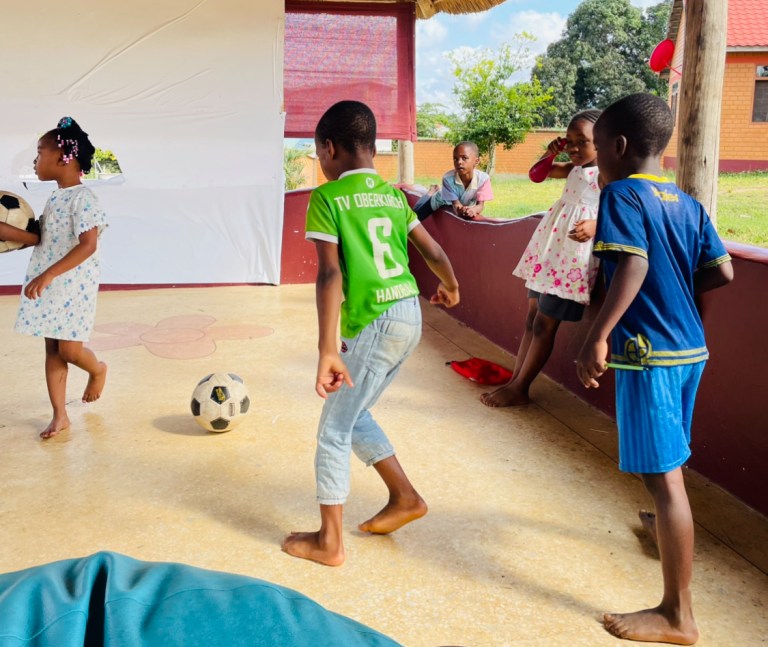
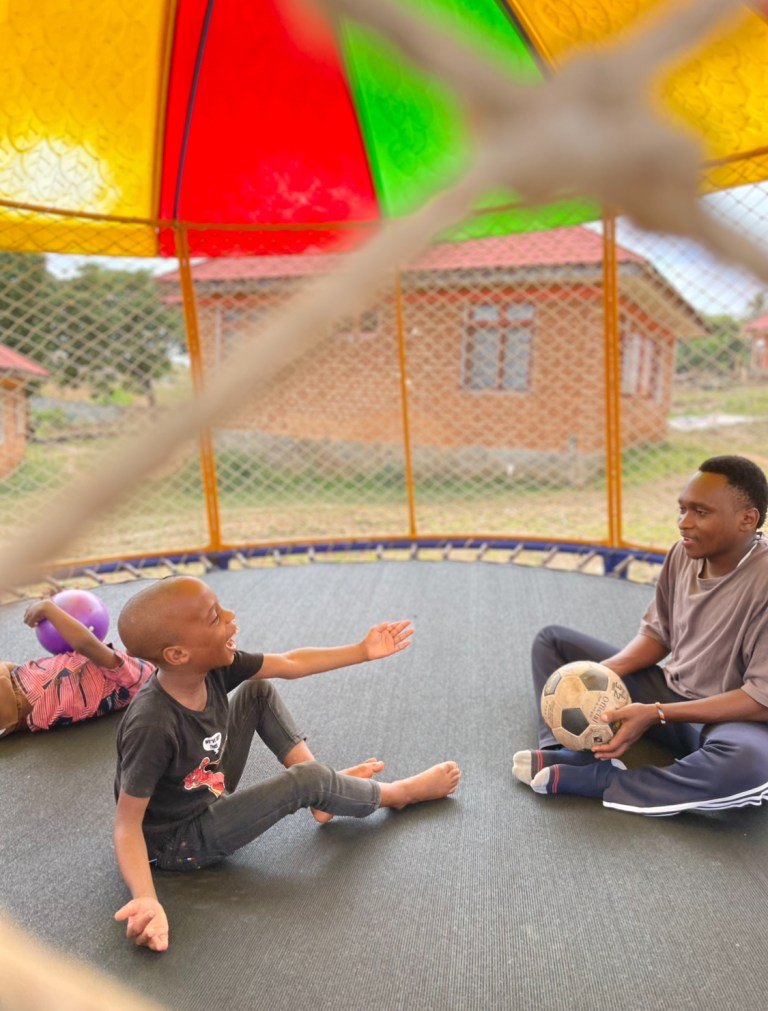
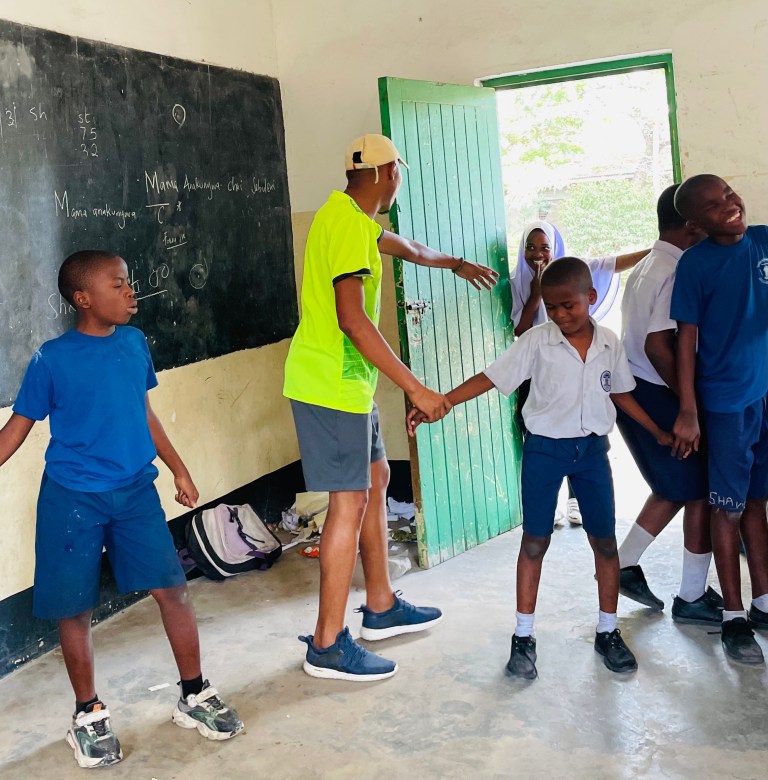
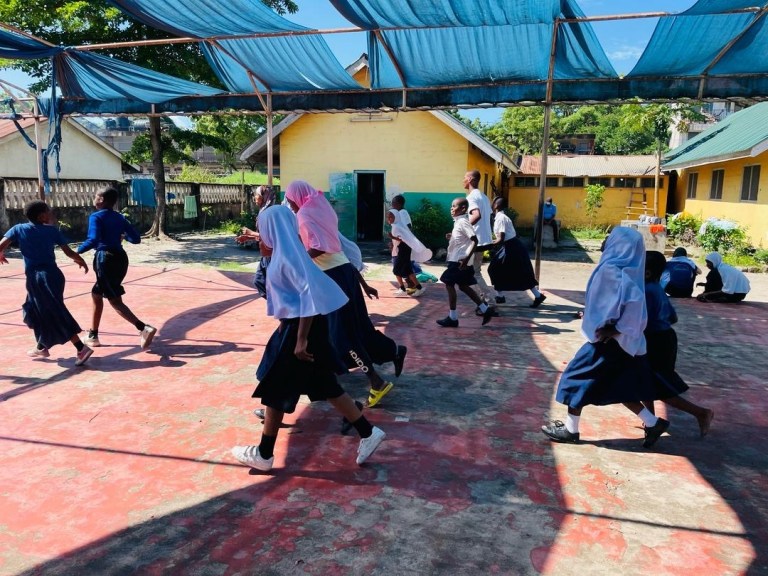
Autism awareness program at Cheza Foundation Dar es Salaam Tanzania

The Stigma Children with Autism Face in Tanzania

In many Tanzanian communities, autism is not recognized as a neurodevelopmental condition at all. Behavior characteristic of autism — difficulty making eye contact, sensitivity to sound or touch, repetitive movements, delayed speech — is frequently interpreted as rudeness, spiritual affliction, or evidence of poor parenting. Parents of autistic children often carry enormous shame, isolated from community support at precisely the moment they need it most.

Many autistic children miss out on education entirely. Without education, without community, and without understanding, autistic children grow up with few opportunities to develop their considerable strengths and talents.

How Inclusive Sport Supports Children with Autism

Physical activity has been shown to reduce anxiety, improve focus, support the development of social communication skills, and provide a structured, sensory-rich environment in which autistic children can thrive. Team sports offer autistic children something that unstructured social situations often cannot: clear rules, predictable patterns, and a defined role to play.

Inclusive sport — where children with autism participate alongside neurotypical peers — carries additional benefits. It normalizes neurodiversity for all participants. It builds friendships. It allows autistic children to demonstrate competence, strength, and skill in settings where they are valued rather than pitied.

Cheza Foundation’s Autism Awareness Programs in Dar es Salaam

Our approach is built on three pillars: awareness, inclusion, and sport. We run autism awareness workshops and training sessions for parents, teachers, and community leaders across Dar es Salaam, providing practical, culturally relevant information about what autism is and how to respond with understanding rather than fear or shame.

Our inclusive sports sessions are carefully designed to be sensory-friendly and supportive for autistic participants. Our coaches are trained to understand the specific needs that autistic children may bring to a sports environment and to create sessions where every child can participate safely and joyfully.

A Different Future Is Possible

The autistic children of Dar es Salaam are not problems to be managed. They are children — curious, creative, capable, and deserving of every opportunity that any other child in Tanzania receives. When we invest in autism awareness and build truly inclusive schools and sports programs, we are simply recognizing what was always true: that they belong.

Visit Cheza Foundation’s website to donate, volunteer, or partner with us. Because every child in Tanzania deserves to be understood, included, and free to play.
Disability Inclusion in Tanzania: Breaking Barriers Through the Power of Inclusive Sport

Tanzania is a country of more than 63 million people. According to the World Health Organization, approximately 15 percent of any national population lives with some form of disability — which means that as many as nine million Tanzanians may be navigating daily life with a physical, sensory, cognitive, or psychosocial impairment. Yet across the country, children and adults with disabilities remain among the most excluded members of society. Disability inclusion in Tanzania is not just a social justice issue — it is one of the most urgent human development challenges the country faces. And sport is one of the most effective tools available to address it.

The Reality of Disability in Tanzania

Tanzania ratified the United Nations Convention on the Rights of Persons with Disabilities (UNCRPD) in 2010. But policy and lived reality remain far apart. Children with disabilities in Tanzania are significantly less likely to attend school than their peers. Those who do access education frequently encounter inadequate facilities, undertrained teachers, inaccessible classrooms, and social environments that are unwelcoming at best and hostile at worst.

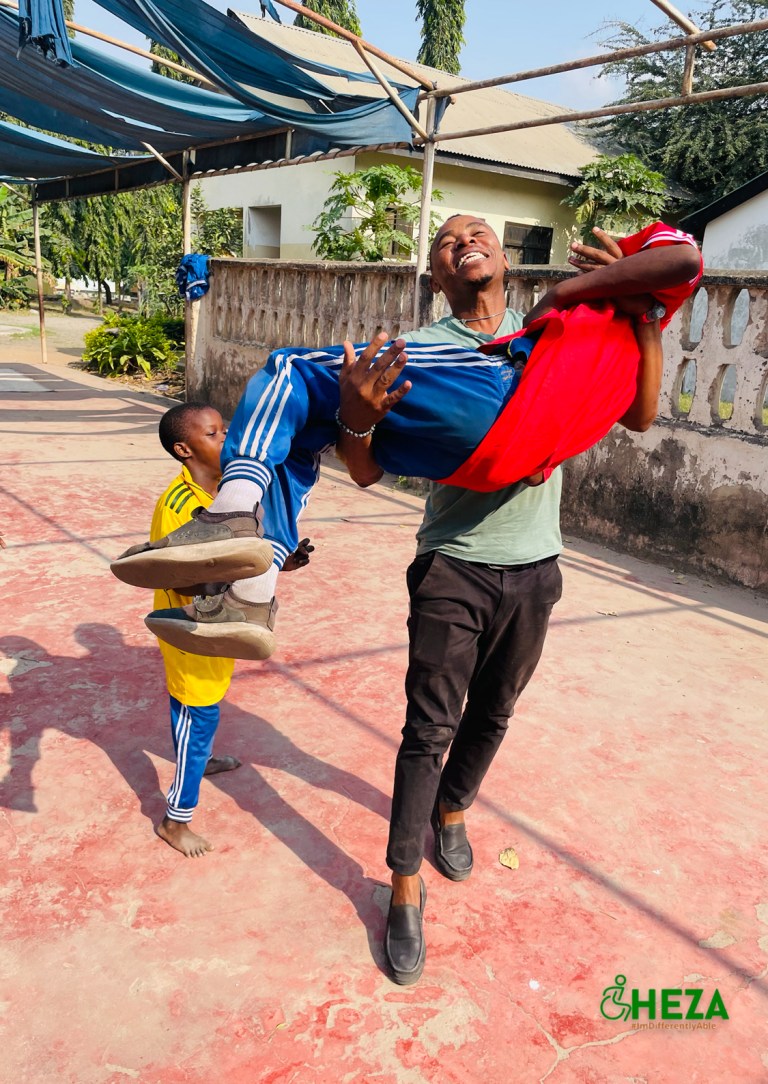
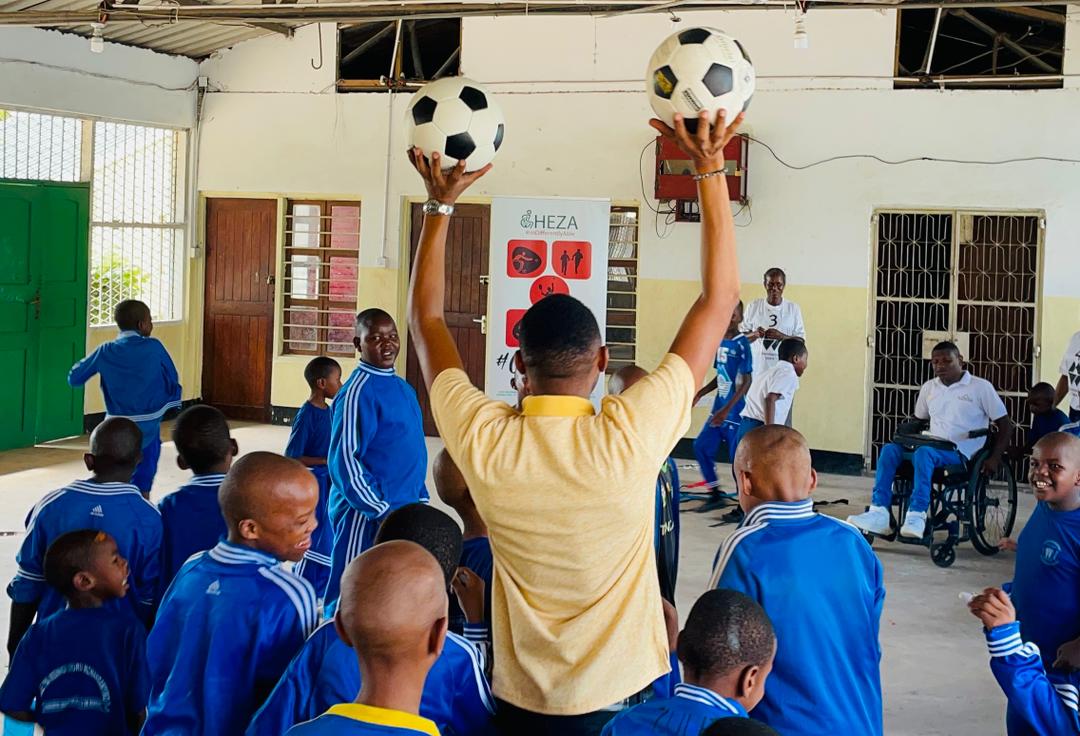
Inclusive sport for persons with disabilities at Cheza Foundation Tanzania

The consequences of this exclusion ripple outward across an entire lifetime. Children who are excluded from education and community participation grow into adults with fewer economic opportunities, poorer health outcomes, and reduced civic engagement.

Why Sport Is a Uniquely Powerful Tool for Inclusion

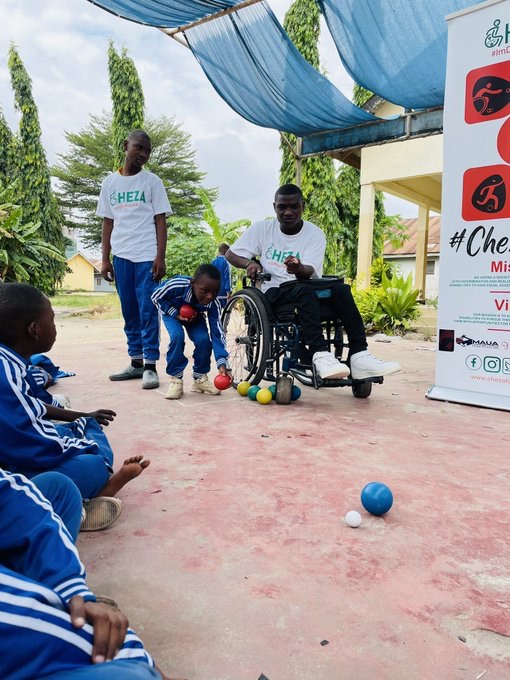
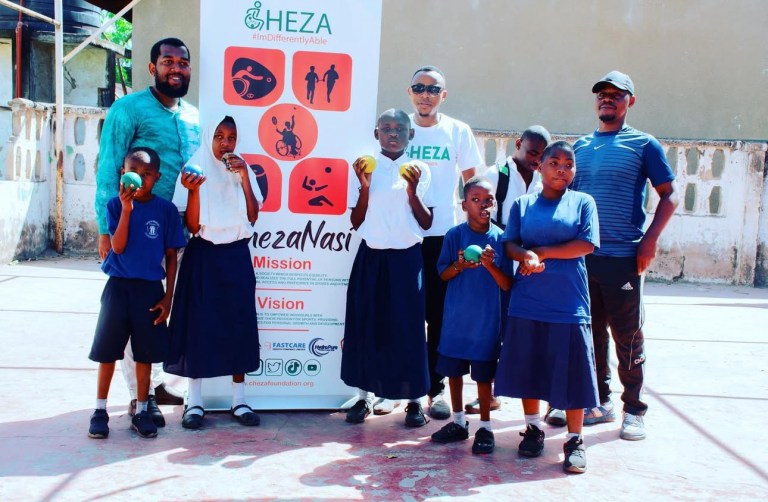
When a child with cerebral palsy and a child without any disability play boccia side by side, something happens that a classroom lecture on inclusion cannot achieve. They see each other. They communicate. They compete and cooperate. Stereotypes dissolve in the heat of play.

Inclusive sport also builds the confidence and physical competence of children with disabilities in ways that extend far beyond the playing field. A child who has experienced the discipline of training, the joy of teamwork, and the pride of competition is a different child from one who has spent their formative years being told that sport is not for them.

The Barriers That Remain

Stigma is perhaps the most pervasive barrier to disability inclusion in Tanzania. In many communities, disability is understood through a spiritual or moral lens — as punishment or misfortune. This stigma prevents children from accessing services and creates social environments where children with disabilities are marginalized from the moment they are born.

Poverty compounds everything. Adaptive sports equipment, specialist coaching, transportation to training sites, and specialized educational support all cost money that most families in Tanzania do not have. Lack of awareness is a third barrier — and in many ways the most solvable. When teachers, coaches, community leaders, and parents understand what children with disabilities are capable of, attitudes shift remarkably quickly.

How Cheza Foundation Is Advancing Disability Inclusion in Tanzania

Cheza Foundation was founded on a simple but radical belief: that every child in Tanzania deserves to play. Our programs use inclusive sport — blind football, boccia, cerebral palsy sports, and autism-friendly physical activity — as engines of social inclusion. We work directly in schools and communities across Dar es Salaam, training coaches, providing equipment, running awareness campaigns, and creating spaces where children with and without disabilities can learn from each other through play.

Be Part of the Change

Disability inclusion in Tanzania will not happen on its own. It requires investment, attention, and sustained effort from donors, grant funders, volunteers, and advocates — in Tanzania and around the world.

Visit Cheza Foundation’s website to find out how you can support disability inclusion in Tanzania today.

Blind Football Tanzania: How the Beautiful Game Is Changing Lives for Visually Impaired Children

Imagine sprinting toward a goal you cannot see, guided only by the sound of a rattling ball beneath your feet and the shouts of your teammates. For millions of people around the world — and for a growing number of children right here in Tanzania — this is not a limitation. It is liberation. Blind football is one of the most powerful examples of how sport can transcend disability, and Cheza Foundation is bringing it to the heart of Dar es Salaam.

What Is Blind Football and How Does It Work?

Blind football, officially known as football five-a-side for the visually impaired, is a Paralympic sport played by athletes who are blind or have severe visual impairments. Each outfield player wears an eyeshade to ensure a level playing field, regardless of their degree of sight loss. The ball contains a noise-making device — typically small bells or rattles — so players can track its movement by sound alone.

Blind football players at Cheza Foundation Tanzania

Teams consist of four outfield players and a goalkeeper. The goalkeeper is usually a sighted or partially sighted guide, as are coaches positioned behind the opposing goal to direct attackers. The game demands extraordinary spatial awareness, trust, communication, and courage. These are not just athletic skills — they are life skills, and that is precisely why blind football Tanzania has become such a meaningful program for Cheza Foundation.

Why Blind Football Matters for Visually Impaired Children in Tanzania

In Tanzania, children with visual impairments often face profound social exclusion. Many are pulled out of school, kept at home, or told — explicitly or implicitly — that sport and physical activity are not for them. The consequences reach far beyond missed playtime. Isolation leads to reduced confidence, limited social development, and narrowed opportunities for the future.

When a visually impaired child steps onto a blind football pitch for the first time and hears that ball rattling toward them, something shifts. They are not a passive observer. They are a player. They belong.

The Barriers Children Face — and How We Break Them

Cheza Foundation works directly to dismantle these barriers. We partner with schools, special education centers, and community organizations across Dar es Salaam to introduce blind football as both a sport and a tool for social inclusion. We provide equipment — the specialized sound balls, eyeshades, and goal markers that make the game possible — and we train coaches and teachers to deliver sessions safely and inclusively.

Crucially, we also run blind football sessions alongside sighted peers. When children without visual impairments put on an eyeshade and try to play the game, attitudes change. Empathy deepens. Friendships form across lines of ability that might otherwise have remained invisible walls.

What Cheza Foundation Is Doing Right Now

Our blind football program is actively running in schools and community spaces in Dar es Salaam, with plans to expand to additional regions of Tanzania. We work with trained coaches who understand both the technical requirements of the sport and the emotional landscape of working with children who may never have experienced inclusive physical activity before.

Every session we run is an act of belief — belief that every child in Tanzania deserves to play, to compete, to belong, and to grow.

Join Us — Help Keep the Game Going

A single set of blind football equipment can open doors for dozens of children. Coach training multiplies that impact across entire communities. If you are a donor, a grant funder, a volunteer, or simply someone who believes that every child deserves to play, Cheza Foundation invites you to be part of this work.

Support Cheza Foundation today — because every child deserves to hear the roar of the crowd.

Inclusion in Play and Learning 

At Msimbazi Mseto Primary School’s autism centre in Dar es Salaam, children and communities come together to build autism awareness and create inclusive opportunities for all learners. Through programmes that teach understanding of autism and promote acceptance, students gain confidence and support in school and beyond . Alongside this, activities such as blind football inspire visually impaired and sighted children to engage in sport together, strengthening teamwork, resilience, and social inclusion. These combined efforts help break down barriers and show how education and sport can empower every child to thrive.

“Bags of Dignity, Dreams of Possibility”

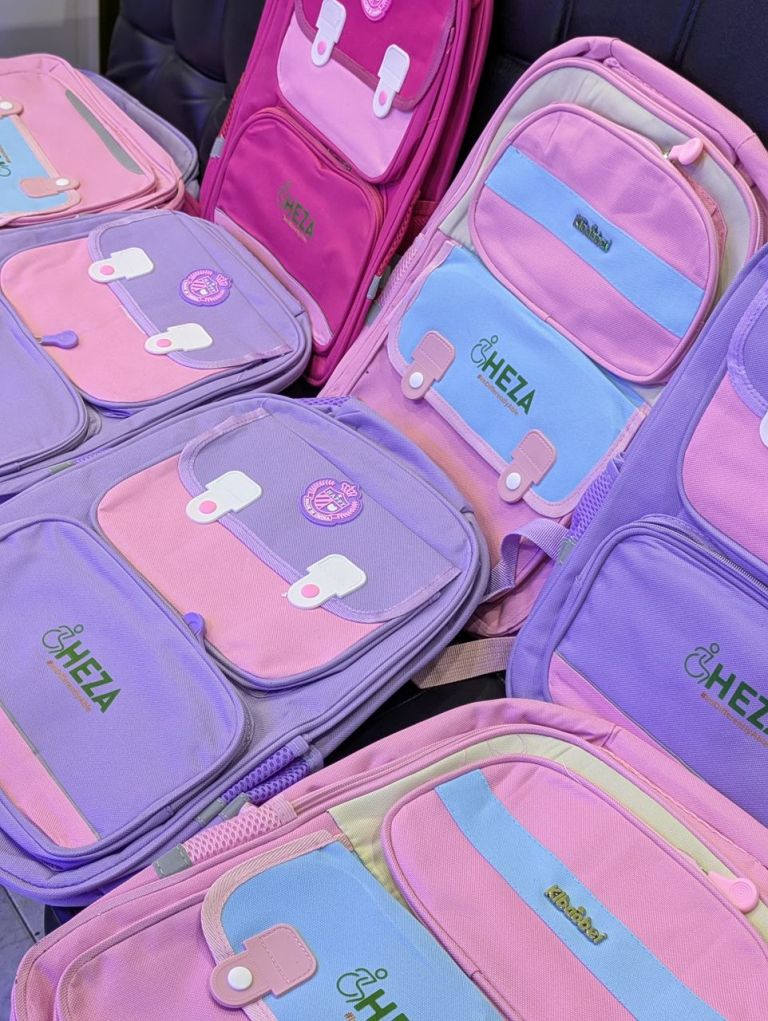
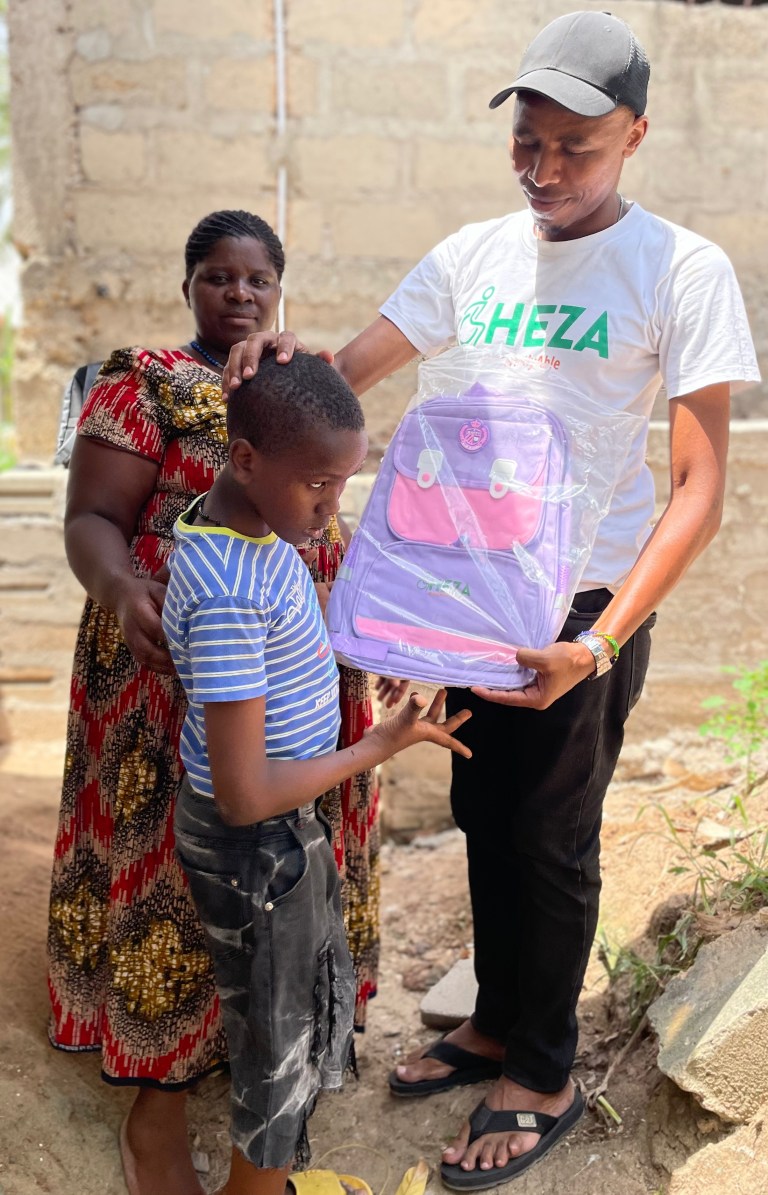
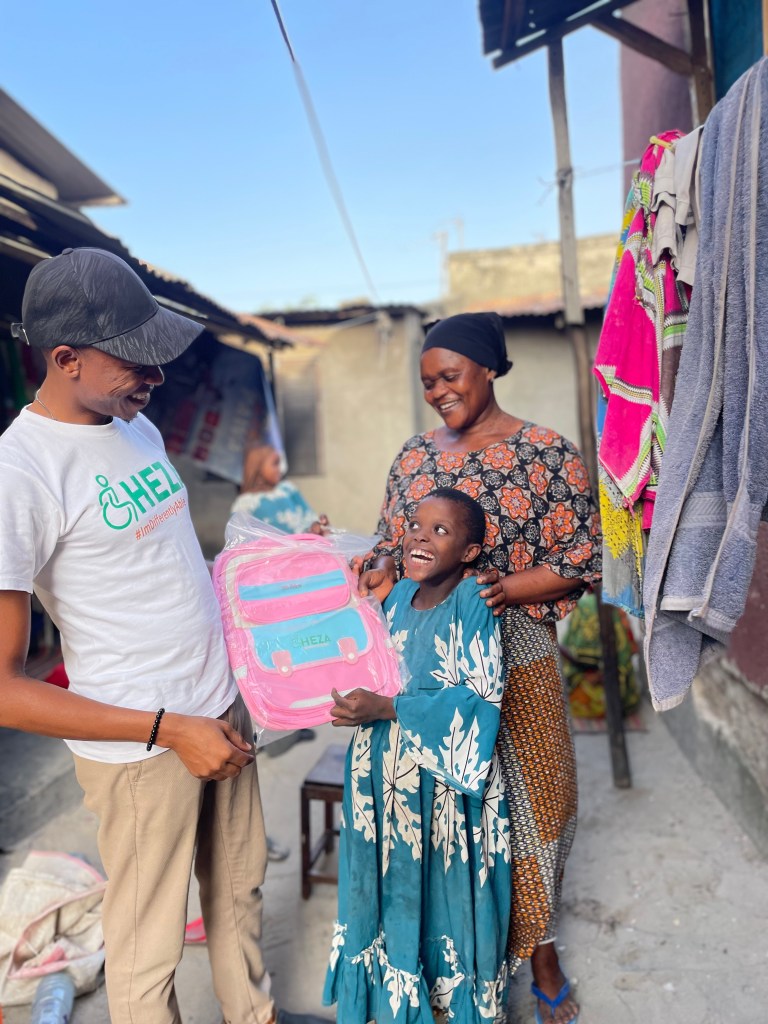
At Uhuru Mchanganyiko, we celebrated inclusion by gifting custom-made school bags to children with disabilities, including members of the cerebral palsy football team. Designed with their needs in mind, the bags symbolize dignity, readiness, and opportunity in education. Beyond the classroom, the cerebral palsy football team continues to inspire through resilience, teamwork, and determination—reminding us that disability is not inability. This initiative reflects a commitment to inclusion and equal opportunities for every child to learn, grow, and dream.

DAY OF AFRICAN CHILD

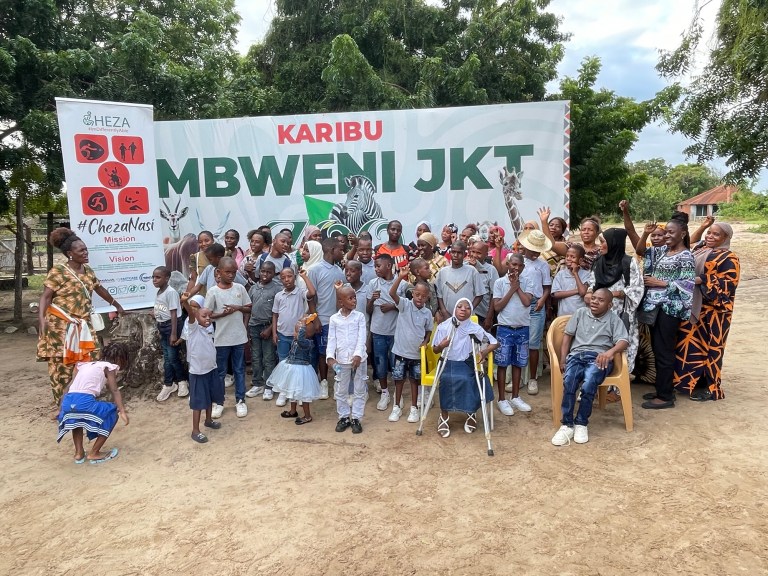
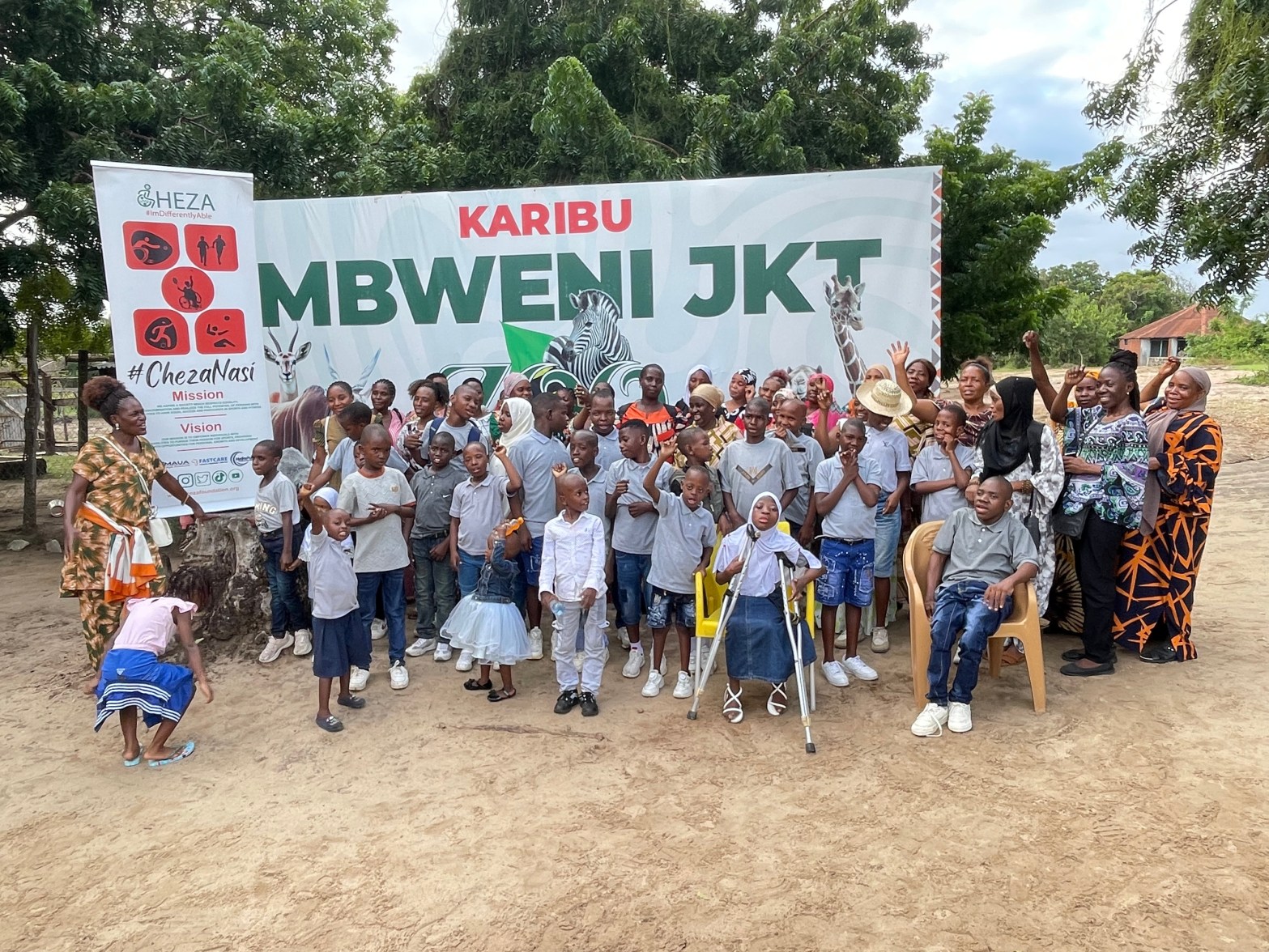
Cheza Foundation celebrated the Day of the African Child at Mbweni JKT Zoo with a fun-filled, inclusive event focusing on the rights and well-being of children, especially those with disabilities. Activities included games, zoo tours, art, and educational talks on child rights and conservation. The event brought together children, parents, educators, and local leaders, promoting unity, inclusion, and empowerment for every African child through play, learning, and shared experiences.

Indoor Boccia Match vs IST

Indoor Boccia Match – CHEZANASI x International School of Tanganyika
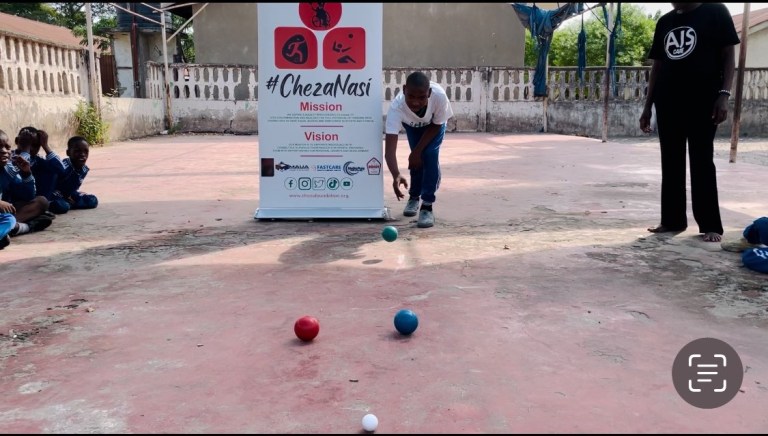
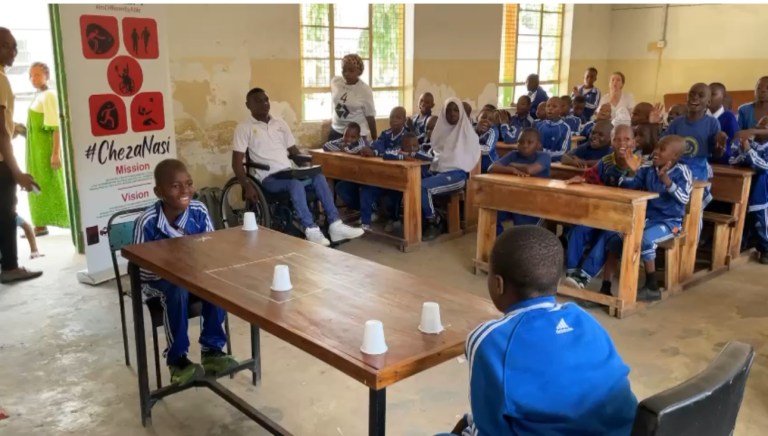
Today, students from Uhuru Mchanganyiko School and the International School of Tanganyika came together for an exciting indoor Boccia match under the CHEZANASI Campaign. The friendly game was more than just competition—it was a celebration of inclusion, teamwork, and shared joy. It was inspiring to see students of different abilities connect, play, and cheer each other on in the spirit of unity.

Boccia Training

Boccia training is provided to students of Uhuru Mchanganyiko primary school, focusing on those with disabilities and cerebral palsy. This initiative enhances their physical abilities and promotes inclusivity and social interaction. The program allows children to enjoy sports, build confidence, and develop teamwork skills through tailored coaching and adapted equipment, fostering a supportive environment where they can thrive.