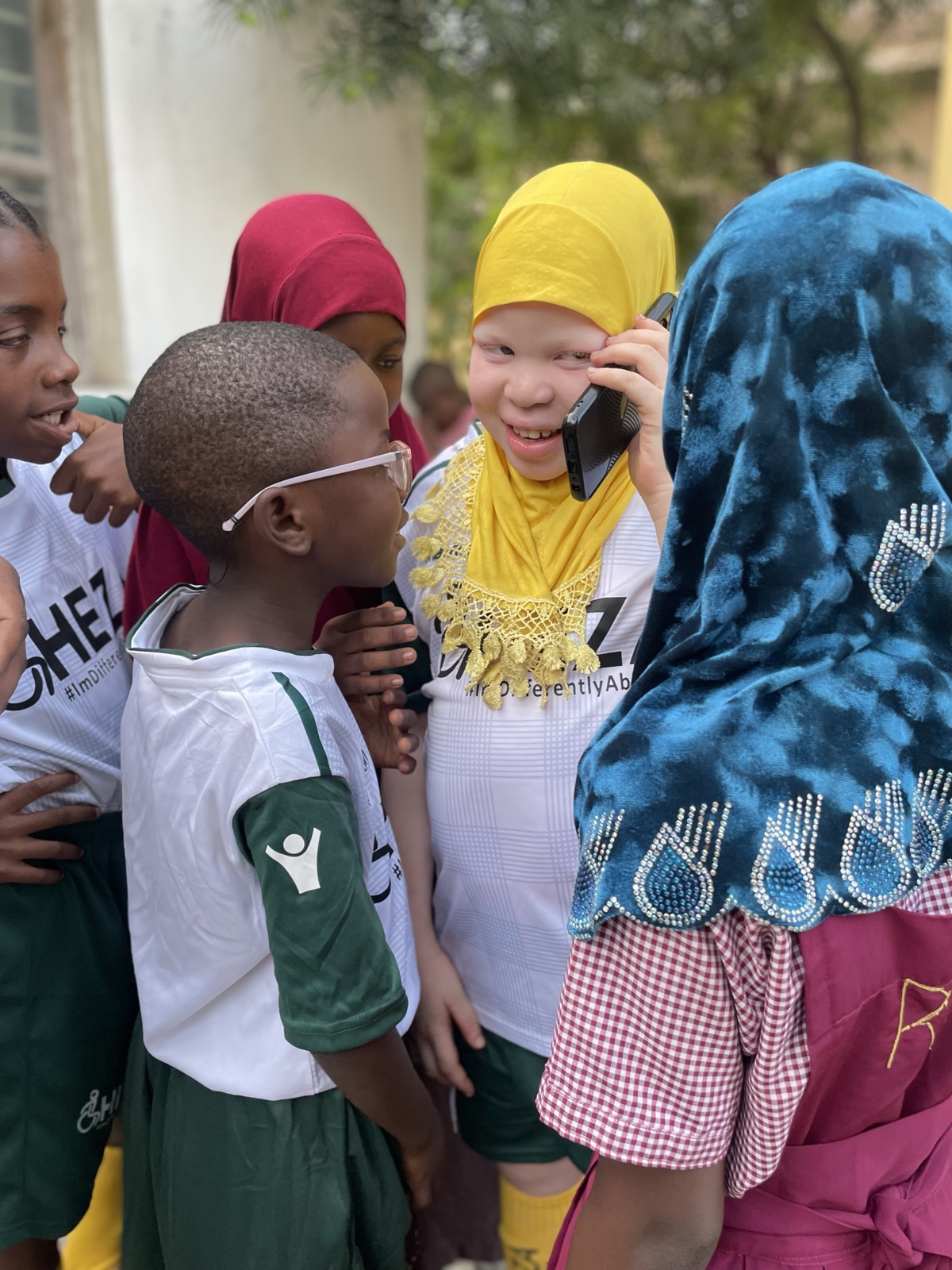
On 10 July 2026, Cheza Foundation traded the football pitch for the stage — bringing music and acting to a group of children who discovered that self-expression can be every bit as powerful as sport.
The day was a music and acting training session created to help children with disabilities explore movement, rhythm, storytelling, and performance. Led by our Chairman, Suahibu Boston Karata, and supported by a dedicated team of volunteers, the session welcomed 28 boys and 35 girls — 63 children in all.
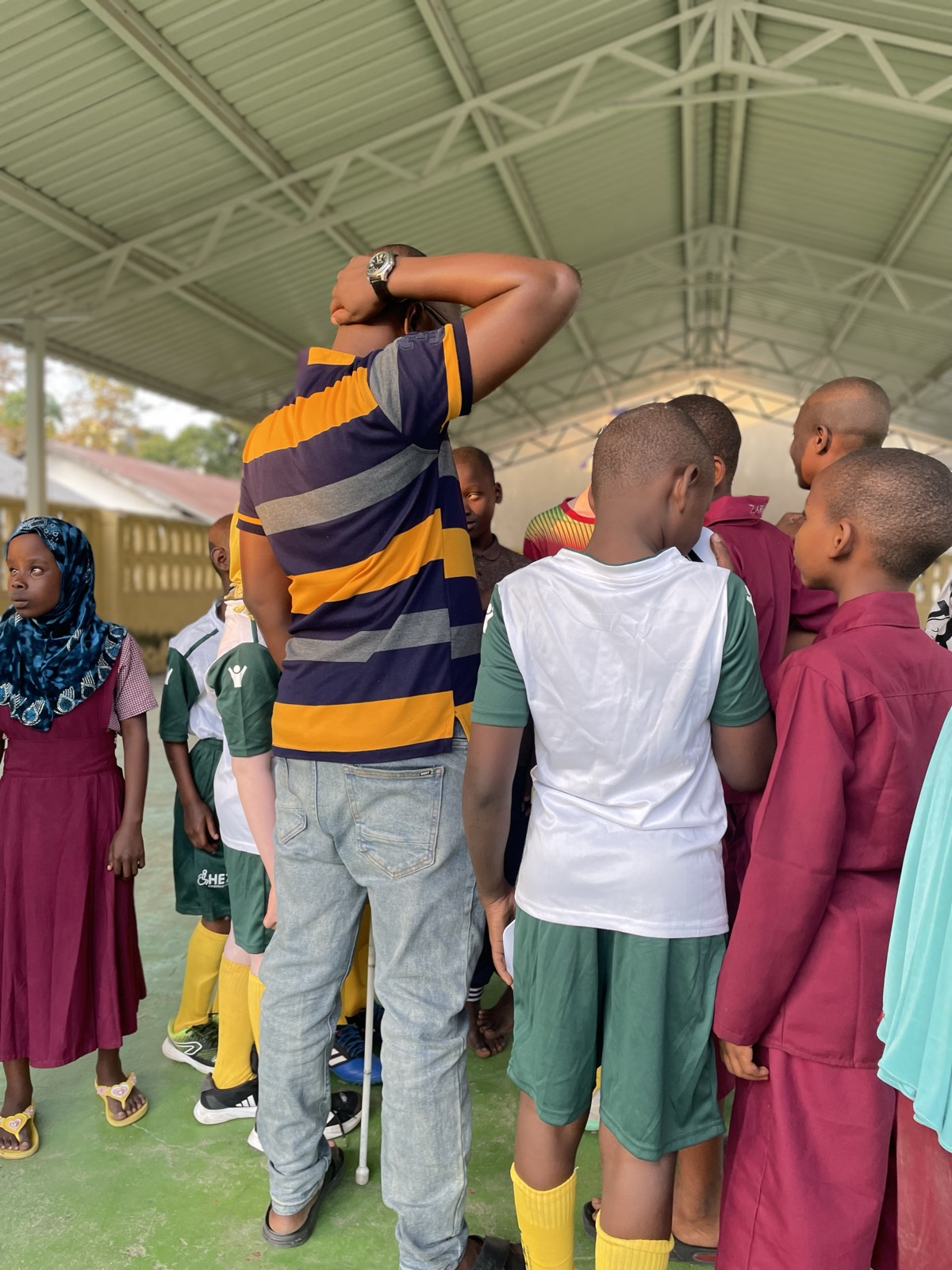
For children who are so often defined by what others assume they cannot do, the arts offer a rare and precious kind of freedom. On a stage there is no single 'right' way to move or to sound. A drumbeat, a song, a spoken line — each becomes a way to be heard, to be seen, and to be celebrated exactly as you are.
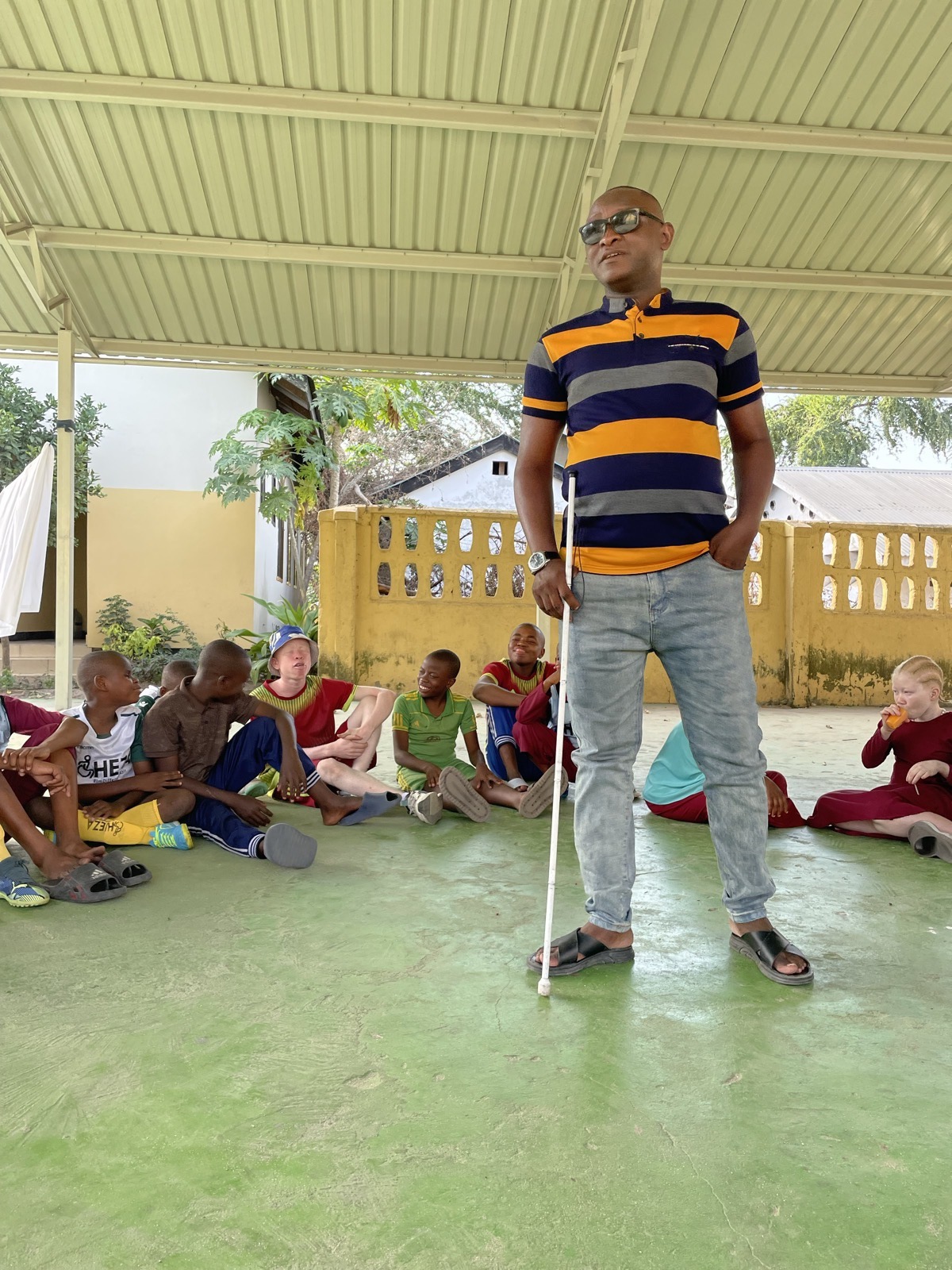
Music has a way of reaching where words sometimes cannot. Through rhythm and song, children who are shy or non-verbal found a voice, children with visual impairments led with their ears and their confidence, and every participant discovered the simple joy of creating something together.
Acting proved just as powerful. Stepping into a character lets a child try on courage, practise expressing emotions, and rehearse everyday social situations in a safe and playful way. Laughter came easily throughout the day — and with it came confidence, the kind that follows a child home and into the classroom.
None of it would have been possible without our volunteers, who gave their time, patience, and encouragement from start to finish, or without the leadership of our Chairman, who guided the children with warmth and a genuine belief in every one of them.
Days like this widen what inclusion can mean. Sport will always be at the heart of Cheza Foundation, but music and drama open new doors — fresh ways for children with disabilities to express themselves, build friendships, and shine.
By the end of the session the room was full of song, movement, and smiles. Twenty-eight children left a little braver than they arrived — proof, once again, that when you give a child a stage, they will always find their voice.